Actions to Take If Confronting a Dental Emergency

A sudden dental injury or severe tooth pain can disrupt your day in an instant. Whether it’s a cracked tooth, unexpected swelling, or a knocked-out tooth, knowing how to respond before reaching the dental office can make a meaningful difference. Taking the right steps early may reduce discomfort, protect the injured area, and improve the outcome of treatment.

While first aid may provide temporary relief, contacting an emergency dentist in Houston patients trust as soon as possible is important when symptoms are severe. Persistent bleeding, facial swelling, severe pain, or signs of infection should be assessed without delay. Receiving prompt care not only relieves symptoms but may also help preserve your natural tooth and prevent the problem from becoming more serious.

What Causes a Dental Emergency?

Dental emergencies are not limited to people with untreated dental problems. Even individuals who maintain healthy oral habits can experience an unexpected injury or infection.

Some of the most frequent causes include:

  • Sports-related injuries
  • Slips, falls, or other accidents
  • Advanced tooth decay
  • Cracked or fractured teeth
  • Lost crowns or fillings
  • Wisdom tooth complications
  • Nighttime teeth grinding

It is also important to understand the difference between an urgent dental problem and one that can safely wait. A mild chip without pain may not require immediate treatment, but severe tooth pain, swelling, uncontrolled bleeding, or a loose permanent tooth should be evaluated as soon as possible. Some injuries extend beyond what is visible. Trauma can affect the tooth root, supporting bone, or surrounding nerves, even when the tooth appears intact. During an emergency visit, your dentist may recommend a clinical examination along with digital X-rays to identify hidden damage and determine the most appropriate treatment. Early assessment often creates more opportunities to preserve the natural tooth.

What Measures Are Necessary During a Dental Emergency?

The actions you take before arriving at the dental office are intended to protect the injured area until professional care is available.

If a dental emergency occurs:

  • Gently rinse your mouth with warm water.
  • Apply a cold compress to the outside of the face to reduce swelling.
  • Place clean gauze over the area if bleeding continues.
  • Do not attempt to glue broken teeth together or place aspirin directly on the gums.

These first-aid measures are temporary and should never replace emergency dental care. A prompt examination allows the dentist to identify the cause of the problem and recommend treatment based on your specific injury.

Dental Abscess

When bacteria infect the tooth or the tissues around it, a dental abscess can form as a pocket of infection. This often begins with untreated decay, a deep crack, or advanced gum disease.

Symptoms may include:

  • Constant or throbbing tooth pain
  • Swelling of the gums or face
  • An unpleasant taste or odor in the mouth
  • Fever or swollen glands
  • Pain when chewing

An abscess requires professional treatment because antibiotics alone do not remove the source of the infection.

Knocked-Out Tooth

Immediate dental care is crucial when a permanent tooth is knocked out. Handle the tooth only by the chewing surface to prevent injury to the sensitive root tissue. If there is dirt on the tooth, rinse it gently with clean water for a few seconds and avoid scrubbing it. If possible, place the tooth back into its socket immediately. If that cannot be done safely, keep the tooth moist in chilled milk or a tooth preservation solution and seek dental care as quickly as possible.The best chance of saving the tooth is usually within 30 to 60 minutes of the injury. A knocked-out primary (baby) tooth should not be replanted because it may disrupt or injure the developing permanent tooth below it.

Common Types of Dental Emergencies

Dental emergencies can range from painful infections to unexpected injuries. A professional examination is important because the extent of the damage is not always visible.

Situations that commonly require urgent dental care include:

  • Severe or persistent toothache
  • Broken, cracked, or chipped teeth
  • Lost crowns or fillings
  • Knocked-out permanent teeth
  • Dental abscesses
  • Injuries to the lips, cheeks, tongue, or gums
  • Jaw injuries following trauma

When Should You Visit an Emergency Dentist vs. the Emergency Room?

Understanding where to seek care can save valuable time during an emergency.

Contact a dentist if you have:

  • A severe toothache
  • A broken or knocked-out permanent tooth
  • A damaged filling or crown
  • Swelling caused by a dental infection

Go to the nearest emergency room if you experience:

  • Difficulty breathing or swallowing
  • Heavy bleeding that will not stop
  • Serious facial injuries
  • A suspected broken jaw

Medical emergencies affecting your airway or overall health should always take priority over dental concerns.

How to Prevent Dental Emergencies

Although not every accident can be avoided, many dental emergencies develop from problems that can be treated early.

Simple preventive habits include:

  • Brushing and flossing every day
  • Scheduling routine dental examinations
  • Wearing a custom mouthguard during sports
  • Avoiding chewing hard objects such as ice
  • Repairing damaged fillings or crowns before they fail

A nightguard can help prevent tooth wear if you grind your teeth while sleeping.

What to Expect During an Emergency Dental Appointment

Your visit begins with a discussion of your symptoms and a careful examination of the affected area.Digital X-rays may be taken to check for damage involving the tooth, surrounding bone, or nearby tissues.

The immediate focus is to pinpoint the cause of the condition, alleviate pain, and ensure the affected tooth remains stable. Depending on the diagnosis, treatment may include a filling, crown, root canal therapy, splinting, or extraction when a tooth cannot be restored. Your dentist will explain every recommendation before treatment begins and discuss any follow-up care that may be needed. Our team proudly serves patients seeking an emergency dentist in Northwest Houston, TX, and provides prompt care tailored to your individual needs.

Final Thoughts

A dental emergency should always be taken seriously because delaying care may increase the risk of pain, infection, or permanent tooth loss. Knowing how to respond and seeking professional evaluation without delay gives your dentist the best opportunity to protect your oral health. If you’ve been searching for an emergency dentist near me, schedule an appointment with SND Family Dental.

Clear Aligners and Your Daily Life: What to Expect Week by Week

Starting clear aligner treatment can fit smoothly into workdays, school schedules, and weekend plans without making orthodontic care feel disruptive. Many people appreciate how clear aligners in Central Northwest Houston, TX can support a straighter smile while still blending comfortably into long-term daily routines and oral health goals. 

Residents from Greater Inwood, Central Northwest, Forest Lake, Inwood Pines, Spring Branch East, Kempwood, Near Northwest, and Candlelight Plaza often benefit from aligners because trays can be removed for meals, cleaned at home, and worn discreetly throughout a busy Houston schedule.

Week 1: Getting Started

The first week is usually the biggest adjustment period. Your aligners may feel snug because they apply gentle, controlled pressure to move teeth over time. Mild soreness, extra saliva, or small speech changes can happen at first.

After several days, handling the trays usually becomes more comfortable as daily wear starts feeling more familiar.

Helpful first-week tips include:

  • Wear aligners for 20–22 hours each day
  • Remove trays before meals and drinks other than water
  • Keep your aligner case with you
  • Brush and floss before placing trays back in

Treatment timelines vary based on tooth position, bite alignment, spacing, and your personalized orthodontic goals.

Week 2: Finding Your Routine

By week two, speaking often feels easier, and removing trays before meals starts becoming second nature.

A quick dentist near me search often brings up many options, but clear aligner care works best when the dental team also checks bite health, gum condition, and long-term stability. Many people around Highway 290 and Antoine Drive appreciate that aligners can fit comfortably into office schedules, school activities, errands, and social plans without major interruptions.

Weeks 3–4: Visible Progress Begins

During weeks three and four, small changes may become easier to notice. Some people begin seeing slight improvements in spacing or alignment, especially when comparing photos.

You may feel more comfortable wearing aligners during:

  • Work meetings
  • Family gatherings
  • Community events
  • Photos and conversations

The phrase clear aligners near me may lead you to treatment options, but the right plan should include a full exam, digital evaluation, and clear instructions for daily wear.

Weeks 5–8: Building Confidence

By the second month, aligners often feel like a consistent part of weekly activities. Tray changes become more predictable, and mild pressure usually feels easier to manage. People from Spring Branch East, Kempwood, Inwood Pines, and Near Northwest often appreciate that clear aligners do not come with the same food restrictions as traditional braces. Since trays are removed before meals, most foods can still remain part of daily meals while following care instructions. Good oral hygiene remains important. Brush after meals, floss daily, and clean trays as directed to help prevent staining, buildup, and odor.

Weeks 9–12: Mid-Treatment Momentum

Around the third month, progress may become more noticeable. Front teeth may look more aligned, and your bite may begin to feel different depending on your treatment plan. A Houston family dentist can help monitor tooth movement while also keeping your overall oral health, cleanings, and preventive care on track. Whether spending time near Forest Lake, Candlelight Plaza, or Greater Inwood, aligners can continue supporting orthodontic progress without creating major disruptions to your schedule.

Beyond 3 Months: Long-Term Progress

After three months, treatment continues according to your customized plan. Some cases need shorter treatment, while others require additional time or refinement trays.

Long-term success depends on:

  1. Wearing aligners as directed
  2. Keeping scheduled dental visits
  3. Maintaining daily brushing and flossing
  4. Using retainers after treatment is complete

Retainers remain important because teeth can gradually shift after aligner treatment if they are not supported properly.

Life with Clear Aligners: Everyday Considerations

Clear aligners are convenient, but they still require consistency.

    • Eating and Drinking

For daily care, aligners should be removed before consuming coffee, meals, or other drinks besides water. This helps prevent staining, warping, and trapped food particles.

    • Work, School, and Travel

Carrying a small dental kit with a toothbrush, floss, and aligner case can make daily tray care easier during long workdays, school schedules, or travel around Houston.

    • Comfort and Speech

Mild speech changes can happen at first. Reading aloud for a few minutes each day may help your tongue adjust more comfortably.

Start Your Clear Aligner Journey Today

Clear aligners can make orthodontic treatment feel more manageable by fitting into normal schedules, from meals and workdays to family events and local activities. With consistent wear and professional guidance, they can support gradual, healthy tooth movement. Take the next step toward a straighter smile by scheduling a clear aligner consultation at SND Family Dental in Central Northwest Houston, TX.

Root Canal or Tooth Extraction: Which Is Best for Your Oral Health

Introduction

Tooth pain disrupts your daily routine and makes even simple tasks uncomfortable. When a tooth becomes damaged or infected, patients face an important decision: should the tooth be saved or removed? Understanding the difference between treatment options allows you to make the right choice for your oral health. Many patients searching for a dentist near me look for clear answers about treatment outcomes, recovery, and long-term benefits. Both the root canal therapy and tooth extraction are reliable treatment options, but the best choice is determined by your specific condition, the severity of damage, and your overall dental health.

What Is a Root Canal?

A root canal is a procedure utilized to extract infected or damaged tissue from within the tooth while preserving its outer structure. The inner portion, known as the pulp, contains nerves and blood vessels. When this area turns inflamed or infected, it may cause significant pain and sensitivity. During the root canal therapy in Central Northwest, Houston, TX, the dentist removes the infected tissue, cleans the inner chamber, and seals the tooth to prevent further issues. The tooth is then preserved with a filling or crown to restore strength and function.

What Are the Benefits of a Root Canal

Preserving a natural tooth provides several advantages, especially when the structure is still strong enough to support restoration.

Key benefits include:

  • Preserves the natural tooth and bite alignment
  • Prevents shifting of surrounding teeth
  • Maintains normal chewing function
  • Reduces the need for replacement options

A properly completed root canal treatment allows the tooth to function for many years with proper care.

What Is a Tooth Extraction?

A tooth extraction involves removing a tooth that cannot be saved because of severe damage, decay, or infection. This procedure is recommended when the structure is too weak to support restoration or when keeping the tooth may affect surrounding areas. In cases requiring tooth extractions in Houston, TX, the dentist removes the tooth while protecting surrounding tissues. After removal, patients can consider replacement options such as implants, bridges, or dentures to preserve function.

What Are the Benefits of Tooth Extraction?

Although preserving a natural tooth is often preferred, extraction may be the safest option in certain situations.

Benefits of extraction include:

  • Removes infection completely from the affected area
  • Prevents spread to nearby teeth or gums
  • Relieves severe pain and pressure
  • Creates space for proper alignment when needed

Procedures like emergency wisdom teeth extraction are performed to address pain, crowding, or impacted teeth that cannot erupt properly.

What Are the Key Factors to Consider

Choosing between a root canal and extraction involves several important factors. A detailed dental examination determines the best course of action.

Factors to consider include:

  • Extent of tooth damage or infection
  • Condition of the surrounding bone and gums
  • Long-term impact on oral health
  • Cost and treatment timeline
  • Patient comfort and preference

Access to family emergency dental care in Houston ensures urgent cases are evaluated quickly and treated appropriately.

When Is a Root Canal the Better Choice?

A root canal is typically advised when the tooth structure remains strong enough to be restored. Saving the natural tooth maintains stability and function.

A root canal may be the better option when:

  • The infection is limited to the inner pulp
  • The outer tooth structure is intact
  • There is no severe bone loss
  • The tooth can support a crown

Patients experiencing sudden pain or sensitivity may need an emergency root canal in Houston to address infection quickly and preserve the tooth.

When Is Extraction Necessary?

Extraction is necessary when the tooth cannot be repaired or when keeping it may lead to further complications.

Extraction is recommended when:

  • The tooth is severely fractured or broken
  • Decay has destroyed most of the structure
  • Infection has spread beyond the tooth
  • Gum disease has weakened support

Patients in areas like Greater Inwood, Forrest Lake and Spring Branch East often seek prompt care when symptoms worsen, as delaying treatment leads to more complex issues.

Local Care That Supports Better Outcomes

Access to timely dental care is important for managing both routine and emergency situations. Whether you are dealing with sudden discomfort or ongoing dental concerns, having a trusted provider nearby supports faster evaluation and treatment. Residents near Central Northwest and Inwood Pines benefit from convenient access to dental services that focus on patient comfort and clear communication. Early diagnosis and treatment planning prevent minor issues from becoming serious problems.

Save Your Smile: Schedule a Consultation Today

Choosing between saving and removing a tooth is a key decision that should be based on a professional evaluation. Early treatment reduces discomfort, protects surrounding teeth, and supports long-term oral health. If you are having tooth pain or sensitivity, schedule your consultation at SND Dental in Central Northwest, Houston, TX, today. A thorough assessment determines the best option for restoring your smile and maintaining your overall dental health.

Frequently Asked Questions

A root canal is often preferred because it preserves the natural tooth, but extraction may be necessary if the damage is too severe.

Most root canal procedures can be completed in one or two visits, depending on the complexity of the case.

The procedure is performed under local anesthesia, so patients typically feel pressure rather than pain during the extraction.

After extraction, the area heals over time, and replacement options may be recommended to restore function.

You must seek care as soon as pain begins or worsens, especially if it is accompanied by swelling or sensitivity.

How Dentures Have Changed by SND Family Dental – Antoine Drive

Dentures have helped people replace missing teeth for many years. Although their basic purpose has remained the same, the way dentures are designed and created has changed significantly. Older denture designs were often bulky and uncomfortable. Today, advances in dental materials and digital technology allow dentists to create dentures that fit better and look more natural. Modern treatment focuses on restoring daily oral function while improving comfort and appearance. Many patients ask how modern dentures differ from those used in earlier decades.

For patients in Central Northwest Houston, including communities near Antoine Drive, denture options now offer a more precise fit, improved stability, and faster treatment timelines than earlier methods. Many patients begin exploring tooth replacement options by searching for a dentist near me to learn about available treatments.

How Dentures Were Made in the Past

The earliest forms of dentures were very different from those used today. Historical records show that early dentures were often made from materials that would not meet modern dental standards.

Some of the materials historically used included:

  • carved wood
  • animal ivory
  • metal frameworks
  • human or animal teeth

These dentures were difficult to customize and rarely fit comfortably. Because dentists did not yet have modern impression materials or digital tools, it was challenging to create restorations that accurately matched the patient’s mouth. As dentistry advanced, better materials and fabrication techniques allowed dentures to become more functional and comfortable.

Improvements in Modern Denture Design

Modern dentures are designed with greater attention to fit, function, and appearance. Dental professionals now use detailed measurements and precise laboratory techniques to ensure dentures support natural chewing and speech.

Improvements in denture design include:

  • lighter materials that improve comfort
  • improved bite alignment
  • stronger denture bases
  • better overall durability

These developments help dentures function more effectively during everyday activities such as eating and speaking. Patients considering same-day dentures near me often assume the restorations will feel bulky or unnatural. Modern denture designs focus on improving comfort and creating restorations that resemble natural teeth.

Digital Technology Has Changed the Process

One of the most significant developments in denture treatment is the use of digital dental technology.

Digital scanners can capture detailed images of the mouth without the use of traditional impression materials. These scans help dentists design dentures that better match the patient’s anatomy.

Benefits of digital denture planning include:

  • more precise measurements
  • improved denture fit
  • faster treatment planning
  • fewer adjustment visits

Digital technology also helps dental laboratories produce dentures more efficiently. Modern digital systems allow dentists to provide faster denture treatment when oral health conditions permit. Patients interested in same-day teeth & dentures in Central Northwest, Houston, TX may benefit from these modern systems when their oral health allows for faster treatment.

A dentist evaluates the gums, remaining teeth, and bite alignment before recommending denture treatment.

Materials That Look More Natural

Another major improvement in dentures involves the materials used to create artificial teeth and denture bases. Modern dentures are typically made from advanced acrylic resins or composite materials designed to resemble natural tooth enamel.

These materials provide several benefits:

  • improved strength and durability
  • more natural color shading
  • realistic tooth translucency
  • better resistance to staining

Dental laboratories carefully shape and shade each denture tooth to match facial features and natural smile proportions. Because of these advancements, dentures today can look far more natural than earlier versions.

Making Dentures More Stable and Functional

A common concern for patients is whether dentures will stay in place while speaking or eating. Modern denture treatment focuses on improving stability through better design and fit.

Dentists evaluate several factors when planning dentures, including:

  • the shape of the jawbone
  • gum tissue health
  • bite alignment
  • remaining teeth if present

These factors influence how dentures fit and function.

Some patients want a denture option that restores chewing ability as quickly as possible. Many individuals exploring same-day dentures near Houston are looking for a solution that restores daily oral function while maintaining comfort. Patients traveling from surrounding communities, such as those seeking same-day dentures near New Caney and same-day dentures near Alvin, often visit Houston dental offices to learn about modern denture treatment options.

Faster Denture Options Available Today

Traditional denture treatment often requires several appointments across multiple weeks. With modern planning methods, some dental offices now offer faster solutions for certain patients.

Same-day denture treatment may include:

  • dental examination and imaging
  • treatment planning
  • tooth extraction when necessary
  • placement of temporary dentures

Immediate dentures may be placed the same day as tooth removal in appropriate cases. At SND Family Dental, dentists evaluate each patient’s oral health before recommending same-day denture treatment. Not every patient is a candidate, and treatment decisions depend on factors such as gum health and bone support.

What the Future of Dentures Looks Like

Dental technology continues to evolve. Ongoing research continues to improve denture materials and digital fabrication techniques used in modern dentistry. For individuals who have experienced tooth loss, modern denture options provide reliable ways to restore oral function and improve smile appearance. Modern dentures are designed to restore basic oral functions such as chewing and speaking while supporting a natural smile appearance.

Call to Action

Schedule your consultation for same-day teeth & dentures in Central Northwest, Houston, TX today to learn how modern denture solutions may help restore your smile.

Top Tips for Eating & Speaking Comfortably With Your New Same-Day Dentures

Same-day dentures allow patients to retain basic oral function immediately after tooth removal. Because placement occurs while the gums are still responding to recent dental procedures, changes in chewing control and speech are expected during the early phase. Patients receiving Same Day Dentures in Central Northwest, Houston, TX often ask what sensations are normal and how daily habits influence recovery. Understanding how oral tissues respond after placement helps patients recognize expected changes and identify when professional evaluation is appropriate.

Understanding the Adjustment Period

Same-day dentures rest on tissues that are actively changing in shape and sensitivity. As swelling decreases and gum contours stabilize, the way dentures contact the oral tissues also changes. This process can lead to pressure areas or temporary soreness, particularly during the first several weeks.

Follow-up visits focus on examining tissue response and adjusting denture contact points to reduce uneven pressure. Patients searching for a dentist near me are often informed that early discomfort reflects normal adaptation following recent dental treatment rather than a failure of the appliance. As tissue conditions stabilize, adjustments help improve denture balance and function.

Tips for Eating Comfortably With Same-Day Dentures

Chewing places mechanical force on healing tissues, making food selection and eating technique important during early recovery. Dentists evaluate bite distribution to limit localized pressure that can irritate sensitive areas.

During this period, patients may benefit from:

  • Selecting foods with soft textures that require minimal force
  • Cutting food into small portions to maintain control
  • Chewing slowly while distributing pressure across both sides
  • Avoiding foods that are hard, sticky, or difficult to manage

These habits limit uneven stress on the gums and allow dentists to assess bite stability as coordination improves. As swelling subsides and muscle control increases, food tolerance may expand gradually under professional supervision. Patients working with a denture dentist near me often notice improved control as chewing patterns stabilize.

Tips for Speaking Clearly With New Dentures

Speech relies on coordinated movement between the tongue, lips, and teeth. Dentures alter oral surfaces, requiring the muscles involved in speech to adapt to new contact points. Certain sounds may feel less controlled during the initial phase.

Speech practice supports neuromuscular adjustment by reinforcing new tongue and lip positioning. Helpful strategies include:

  • Reading aloud to reinforce articulation
  • Speaking at a measured pace during conversations
  • Repeating words that feel difficult to pronounce

As muscle coordination improves, speech clarity typically becomes more consistent. Patients seeing a dentist in Central Northwest Houston, TX, are often advised that temporary changes in pronunciation reflect adaptation rather than long-term difficulty.

Denture Care Tips for Better Comfort

Denture hygiene affects tissue health and appliance performance. Cleaning routines reduce irritation and limit bacterial buildup that may interfere with healing.

General care guidance includes:

  • Rinse dentures after meals to remove debris
  • Cleaning with a soft denture brush and nonabrasive cleanser
  • Allowing oral tissues to rest as directed
  • Storing dentures properly when not worn

During follow-up visits, dentists evaluate tissue condition and modify hygiene instructions to reduce irritation as oral contours continue to change.

When to Contact Your Dentist

While mild tenderness is expected, certain symptoms require professional assessment. Patients should seek evaluation if they experience:

  • Sore spots that persist despite adjustments
  • Difficulty chewing beyond the initial recovery phase
  • Dentures that shift or cause repeated irritation
  • Swelling that does not decrease over time

Evaluation allows the dentist to relieve pressure areas, reassess fit, and support functional stability as tissue conditions evolve.

Final Thoughts

Adapting to same-day dentures involves tissue response, muscle coordination, and professional monitoring. Dentists track these changes to maintain function as oral structures stabilize. The dental team at SND Family Dental provides structured follow-up care to help patients understand each stage of adjustment and maintain oral health during recovery.

Why Dental Bonding Is a Popular Smile Fix for Houston Residents

In Central Northwest Houston, life moves fast between commutes along the 610 North Loop and weekends at T.C. Jester Park or on the White Oak Bayou Greenway Trail. When your teeth are chipped, stained, or uneven, it can make you hesitant to smile in family photos, dinners in the Heights, or coffee runs along 34th Street.

That is where dental bonding in Central Northwest comes in. This simple, in-office treatment can refresh your smile in a single visit and blend in with your natural teeth so friends and coworkers only notice that you look more confident.

What Is Dental Bonding?

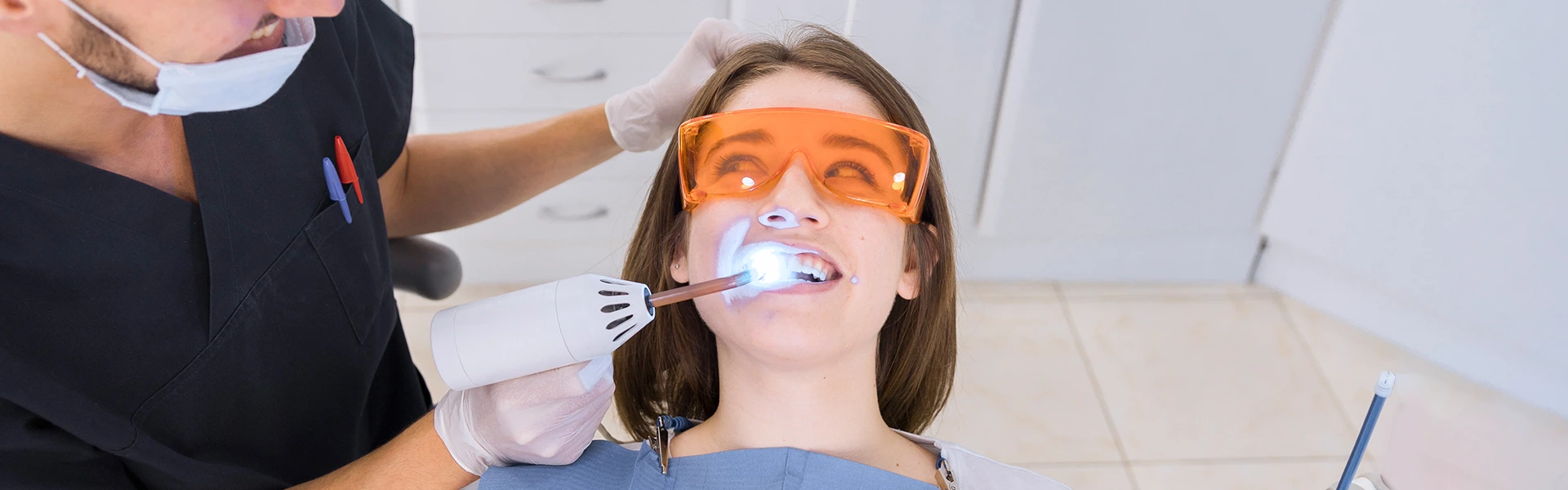
Dental bonding uses a tooth-colored resin that bonds to the enamel and helps restore a tooth’s shape, close small gaps, or improve its overall look. The material is applied directly to your tooth, sculpted by the dentist, then hardened with a special curing light.

Unlike crowns or veneers, bonding usually requires little to no removal of tooth enamel. In many cases, you will not need anesthesia unless the bonding also treats a cavity or an area of sensitivity.

Key Advantages Of Dental Bonding

  • Minimally invasive, with limited enamel removal
  • Often completed in one visit
  • The material blends with your natural tooth color for a seamless look
  • Usually more affordable than porcelain veneers or crowns

Common Smile Issues Dental Bonding Can Fix

Many patients in neighborhoods like Oak Forest, Garden Oaks, and Candlelight Estates choose bonding because it can solve several concerns at once.

Bonding can help improve the appearance of:

  • Small chips or cracks in front teeth
  • Dark stains that whitening does not remove
  • Slight gaps between teeth
  • Teeth that look shorter or worn
  • Minor misshapen or uneven edges

For small to medium cosmetic changes, bonding offers a quicker path to a more uniform smile without the time and cost of more involved restorative work.

Why Houston Residents Prefer Dental Bonding

Central Northwest residents often juggle long workdays and busy family schedules. The ability to finish treatment in a lunch break or brief afternoon appointment is one reason many Central Northwest residents choose dental bonding.

Here is why many people who start their search with terms like dentist near me end up asking about bonding:

  • Speed: Many bonding cases are finished in one appointment.
  • Comfort: Treatment is gentle, with minimal drilling for most cosmetic fixes.
  • Cost: Bonding tends to cost less than porcelain veneers or crowns.
  • Reversibility: Because little enamel is removed, future options like veneers often remain open.

In areas close to the Heights dining scene or downtown offices, patients like that they can leave the practice and head straight back to work, errands, or dinner plans with a refreshed smile.

The Dental Bonding Process: What To Expect

If you have never had bonding before, knowing the steps can ease any nerves.

  1. Consultation And Shade Selection

Your dentist first evaluates your teeth, discusses your goals, and checks that bonding is the right choice. A shade guide helps match the resin to your neighboring teeth so the final result blends in.

  1. Tooth Preparation

The tooth surface is cleaned and lightly roughened. A light conditioning gel is brushed onto the tooth to help the bonding material attach securely.

  1. Applying And Shaping The Resi

The soft, tooth-colored resin is placed on the tooth, then shaped and smoothed to match your natural contours. This part feels like sculpting and may take a bit of time to get just right.

  1. Curing And Polishing

A special light hardens the resin in small layers. Once firm, your dentist polishes the tooth so it looks smooth and natural in normal light.

Most patients feel comfortable throughout the visit and can return to normal activities as soon as they leave the office.

How Long Does Dental Bonding Last?

With consistent home care and routine dental visits, your bonding can stay strong and attractive for many years. Many patients see results that hold up for about 5–10 years, depending on:

  • Where the bonded tooth sits in your mouth
  • Your bite and chewing habits
  • Whether you grind or clench your teeth
  • How well you protect your teeth from stains and trauma

Bonding material is durable, but it is not as strong as porcelain or your natural enamel. Over time, it may chip, stain, or need touch-ups, which your dentist can often handle in a simple visit.

Aftercare Tips To Maintain Bonding

Good habits in Central Northwest daily life can help your bonding look great for longer, whether you spend your time at local parks, coffee shops, or commuting on U.S. 290.

To protect your new smile:

  • Floss once daily to keep gums and edges of bonded teeth clean
  • Avoid biting down on ice, pens, or hard candy
  • Limit frequent sipping of coffee, tea, red wine, or dark sodas
  • Do not use your teeth to open packages or bottles
  • Ask about a nightguard if you grind your teeth while sleeping
  • Continue seeing your dentist for routine exams and cleanings to keep your bonded teeth healthy and bright

If you notice a chip, rough edge, or sudden change in color, call your dentist so they can check the area and recommend a repair if needed.

Final Thoughts

Dental bonding is a flexible way for Houston residents to refresh their smiles without major time off work or a long, complex treatment plan. For many patients, it is the ideal first step into cosmetic dentistry before they decide whether they want more involved options in the future.

If you are searching for a cosmetic dentist in Houston, TX ,to help with chips, stains, or small gaps, a bonding consultation is a simple place to start. Schedule your dental bonding visit at SND Family Dental today and take the next step toward a more confident smile.

Dental Sealants in Central Northwest Houston: Myths

If you’ve heard mixed opinions about dental sealants in Central Northwest, Houston, TX, you’re not alone. Sealants form a light, protective coating over the tiny grooves in back teeth, keeping food and bacteria from settling in. While sealants aren’t a substitute for brushing or flossing, they strengthen your smile’s defense, particularly for kids and teens whose molars are more likely to trap food and bacteria.

Common Myths About Dental Sealants (And the Facts)

1) “Sealants Are Only for Kids.”

Myth: Adults don’t need them.

Fact: Children benefit most because newly erupted molars are vulnerable, but adults with deep pits and fissures, a history of decay, or early enamel changes can gain meaningful protection. During your visit, the dentist looks at the shape of your teeth, how much saliva you produce, your diet, and any history of cavities. If a tooth is healthy but has deep grooves, sealing it early can prevent a future filling, saving time, cost, and tooth structure.

2) “Sealants Hurt or Damage Teeth.”

Myth: The procedure is uncomfortable or invasive.

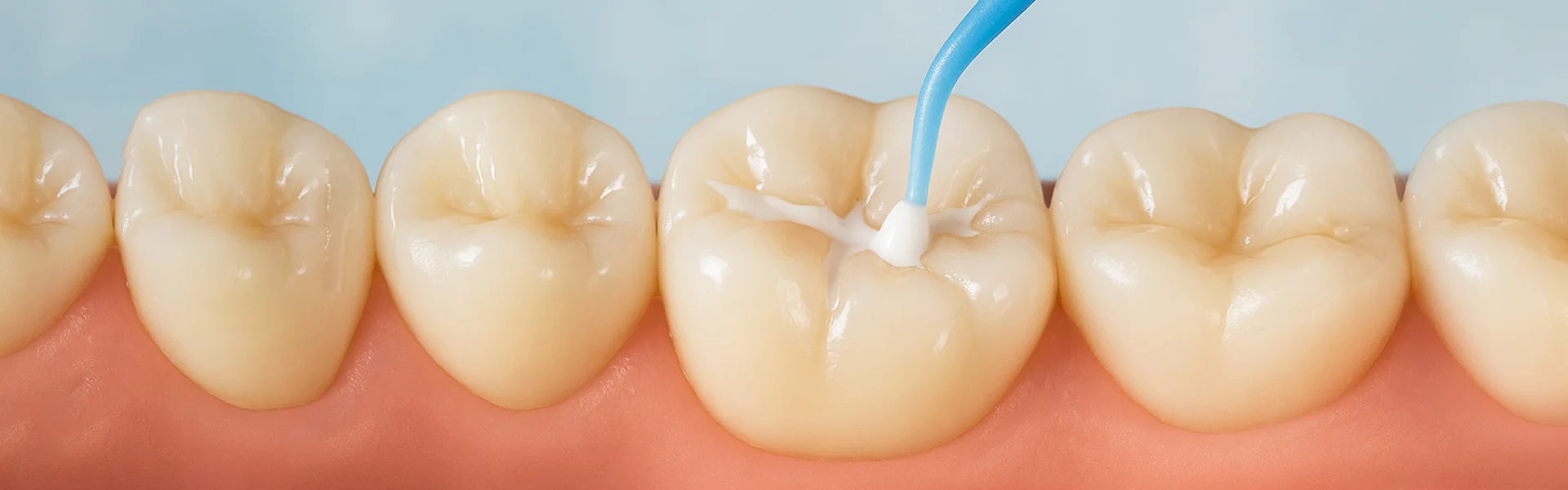
Fact: Placement is quick and simple. The tooth is cleaned, gently conditioned for better bonding, coated with liquid resin, and light-cured for seconds. There are no shots or drilling. Patients usually feel nothing beyond a slightly “slick” chewing surface the first day, and normal eating resumes right away, handy if you’ve got plans along West 34th Street or a meet-up at The Heights.

3) “They Don’t Last Very Long.”

Myth: Sealants wear off too quickly.

Fact: With good home care and regular exams, sealants can last for years. Chewing patterns, grinding, and diet all play a role in how long they hold up, but even partial wear still protects deep grooves.

One big advantage of sealants is that they’re easy to touch up; if a small area wears down, your dentist can simply clean and refill it. Compared with “wait and watch,” sealing early often means fewer surprises when life gets busy on US-290.

4) “Sealants Contain Harmful Materials.”

Myth: Sealants release unsafe chemicals.

Fact: Modern materials go through strict safety testing, and dentists have relied on them for years to help prevent decay. There are several types, including resin-based and glass ionomer sealants, both chosen for biocompatibility and strength. Your dentist selects the one best suited for your needs, based on moisture control, tooth age, and cavity risk.

5) “If I Brush Well, I Don’t Need Sealants.”

Myth: Excellent brushing makes sealants unnecessary.

Fact: Brushing and flossing are essential, but toothbrush bristles can’t always reach into the tiny pits of molars. Sealants smooth those surfaces so plaque has fewer places to hide. They work a bit like a raincoat for your teeth, brushing still matters, but the extra layer gives added protection.

Want to learn more about how sealants protect young smiles? Read this guide on common questions about dental sealants to understand their lasting benefits.

Who Benefits Most?

  • Kids & teens (ages 6–12): Newly erupted molars are most cavity-prone; sealing early helps prevent decay from starting.
  • Teens with deep pits/fissures: Added protection for hard-to-reach chewing surfaces during busy school and sports seasons.
  • Adults with a history of decay or deep grooves: Preventive sealing can reduce the need for future fillings.
  • High sugar or acid exposure: Frequent sodas, sports drinks, or sweet festival foods (think White Oak Bayou and local food truck nights) increase cavity risk.
  • People who notice food trapping in back teeth: If you’ve been searching for a dentist near me because food collects in your molars, you’re a great candidate.
  • Families around Central Northwest neighborhoods: Oak Forest, Garden Oaks, Shepherd Forest, and Lazybrook/Timbergrove patients often choose sealants during cleanings for convenient, local prevention.

What to Expect During a Sealant Visit

Step-by-step overview with practical tips:

  1. Clean & Isolate: The tooth is polished and kept dry; cotton rolls or a small shield prevent moisture so the sealant bonds properly.
  2. Condition: A mild gel gently roughens enamel for a secure hold, similar to priming a wall before paint.
  3. Place: The liquid sealant flows into every groove. Your dental team ensures even coverage by drying and tilting the tooth as needed.
  4. Cure: A special light hardens the coating within seconds. Most patients are surprised by how fast it is.
  5. Check Bite & Finish: The dentist makes sure your bite feels natural and polishes the tooth if needed.

Many families schedule sealants after school near 43rd Street or before weekend soccer at TC Jester, quick, preventive care that fits busy Houston routines.

Final Thoughts

Dental sealants are a quick, reliable way to shield teeth from decay before they have a chance to form. They’re safe, long-lasting, and ideal for both children and adults. If you live near Central Northwest, Houston, TX, sealants are an easy preventive step to add during your next checkup. SND Family Dental offers gentle, preventive visits designed for busy Houston schedules. Schedule your dental sealants consultation in Central Northwest, Houston, TX, today!

How Does Sedation Dentistry Make Dental Treatments More Comfortable?

For many individuals, visiting the dentist can bring feelings of anxiety or unease. Whether it’s fear of pain, sensitivity to sounds, or a past negative experience, these worries can prevent patients from getting essential care. Fortunately, sedation dentistry in Central Northwest Houston, TX, offers a safe and effective solution. It helps patients relax, remain calm, and feel comfortable throughout their treatment, allowing them to focus on improving their oral health with confidence.

What Is Sedation Dentistry?

Sedation dentistry uses controlled medication to help patients stay relaxed during dental procedures. While often referred to as “sleep dentistry,” most patients remain awake but feel deeply calm and at ease. The goal is not to induce sleep but to minimize discomfort and anxiety, making the entire dental experience more pleasant.

Sedation can be used for everything from timely cleanings to complex procedures. It’s especially helpful for individuals with dental anxiety, a strong gag reflex, low pain tolerance, or sensitive teeth and gums.

Types of Sedation Dentistry That Improve Comfort

Dentists offer several levels of sedation, depending on the patient’s comfort needs and the type of treatment being performed:

  1. Nitrous Oxide (Laughing Gas)
    • A mild sedative is inhaled through a nose mask.
    • Creates a sense of calm within minutes and wears off quickly after treatment.
    • Patients can usually drive home afterward.
  2. Oral Sedation
    • Taken as a prescribed pill before the appointment.
    • Induces moderate relaxation and may cause mild drowsiness.
    • Perfect for patients with moderate dental anxiety or longer procedures.
  3. IV Sedation
    • Administered intravenously for faster effects and greater control.
    • Keeps patients conscious but deeply relaxed.
    • Ideal for extensive or surgical treatments.
  4. General Anesthesia
    • Used for highly complex or lengthy procedures.
    • Patients are fully asleep and monitored closely by an anesthesiologist.

Each type is administered safely under professional supervision, ensuring the highest level of comfort and peace of mind.

How Sedation Dentistry Enhances Comfort

Sedation dentistry isn’t just about relaxation—it transforms how patients experience dental care. Here’s how it promotes comfort and reduces stress:

  • Eases Dental Anxiety:
    Sedation creates a sense of calm and security, helping patients overcome fear that may have kept them from seeing a dentist near you.
  • Minimizes Pain and Discomfort:
    When combined with local anesthesia, sedation significantly reduces pain perception, allowing even complex treatments to feel smooth and stress-free.
  • Dulls Sensory Sensitivity:
    For patients sensitive to sounds, lights, or sensations, sedation helps block overstimulation, making the visit more comfortable.
  • Enables Longer Treatments with Ease:
    Because patients are relaxed, dentists can complete more procedures in a single appointment—reducing the need for multiple visits.
  • Supports Patients with Special Needs or Gag Reflexes:
    Sedation helps those who have trouble sitting still or controlling their gag reflex receive care comfortably and safely.

Even in cases where you have to go to a dental office providing emergency dentistry near you, sedation can help make urgent treatments—such as extractions or root canals—feel manageable. This allows dental professionals to provide prompt, compassionate care without added stress or discomfort.

Final Thoughts

Sedation dentistry has made it possible for patients of all ages to experience pain-free, worry-free dental care. Whether you need a timely cleaning or a complex procedure, sedation can help you stay calm and confident throughout your visit.

If dental anxiety has kept you from caring for your smile, it’s time to explore your options with SND Family Dental. Our compassionate team proudly provides gentle, patient-centered sedation dentistry, making sure every visit is as relaxing and comfortable as possible. Because at SND Family Dental, your peace of mind is just as important as your oral health.

How Dental Emergencies Are Treated Fast

Dental pain or sudden injury can feel overwhelming. In moments like these, knowing what to do—and where to go—can make all the difference. That’s where emergency dentistry comes into play, providing quick, effective solutions when your smile needs urgent attention.

Common Types of Dental Emergencies

Some problems can’t wait for a regular appointment. Here are the ones dentists see most often:

  • Excruciating toothache that keeps you from sleeping peacefully at night
  • Broken or chipped teeth from accidents or hard foods
  • Knocked-out teeth during sports or falls
  • Abscesses or infections causing swelling and fever
  • Lost fillings, crowns, or bridges

Each situation requires fast care to avoid further damage and discomfort.

Spotting an Emergency vs. Waiting It Out

Not every dental issue is a true emergency. But here are signs you should seek immediate help:

  • Bleeding that won’t stop
  • Intense or throbbing pain
  • Swelling in the face or gums
  • Visible damage to a tooth

When in doubt, call a dentist near you and describe your symptoms. Acting quickly stops small issues from turning into bigger ones.

Immediate Relief and Pain Management

Before reaching the dental office, you can take steps to ease the discomfort:

  • Rinse with warm saltwater to soothe irritation
  • Apply a cold compress for swelling
  • Take over-the-counter pain relief as directed
  • Avoid chewing on the affected side

These simple actions won’t solve the problem, but can make the wait more bearable.

Restoring Damaged Teeth Quickly

Modern dental offices use advanced technology to repair damage the same day. Cracked or chipped teeth may be treated with bonding, fillings, or crowns. At SND Family Dental, where we offer services like emergency dentistry in Central Northwest, Houston, TX,  the goal is always to restore function and appearance fast, so you can return to your routine without worry.

Saving Knocked-Out Teeth

Few emergencies feel as dramatic as losing a tooth. Here’s how to give yourself the best chance of saving it:

  • Handle or pick up the tooth by the crown, not the root
  • Rinse gently with water (do not scrub)
  • Try placing it back in the socket if possible
  • If not, keep it in milk or saliva until you reach the office

Timing is critical. Dentists often have the best chance of saving a tooth if you arrive within 30 minutes.

Preventing Future Dental Emergencies

You can’t avoid every accident, but prevention helps:

  • Wear a mouthguard during sports
  • Don’t chew ice or hard candy
  • Schedule regular check-ups to catch issues early
  • Address grinding or clenching with a nightguard

Small habits today can spare you from emergencies tomorrow.

Conclusion

Dental emergencies don’t wait for the ‘right’ time, but with the right care, you can protect your smile and recover quickly. Whether it’s a sudden toothache, broken tooth, or a knocked-out tooth, your local dentist or an Antoine dentist is ready to help you every step of the way.

If you’re experiencing pain or an urgent dental issue, don’t wait. Contact our dental clinic today for prompt and compassionate emergency care. Relief is only one call away.

How to Choose the Right Filling Material

Getting a cavity filled might not be at the top of your “fun things to do” list, but choosing the right filling material? That’s a choice worth thinking about. Whether you’re fixing a tooth for the first time or replacing an old filling, knowing your options can help you make the best decision for your smile and your budget.

Let’s walk through what really matters when it comes to selecting a filling that works for your lifestyle, health, and comfort.

Understand the Different Types of Filling Materials

Dental fillings have come a long way over the years. You’ve got more choices now than ever before—and that’s a good thing! But it also means you need to understand what each material brings to the table.

Here are the most common types:

  • Amalgam Fillings
    • Prepared from a mix of metals (including mercury, silver, and tin)
    • Very strong and long-lasting
    • Less expensive, but very noticeable due to their dark color
  • Composite Fillings
    • Made from a blend of plastic resin and glass
    • Tooth-colored—blends in with your smile
    • Good for small to medium cavities
    • May wear out sooner than other types
  • Ceramic Fillings (Porcelain)
    • Natural-looking and stain-resistant
    • More durable than composite
    • Typically more expensive
  • Gold Fillings
    • Extremely durable—can last 20+ years
    • Not discreet and definitely pricier
    • Less commonly used today
  • Glass Ionomer Fillings
    • Releases fluoride over time
    • Great for kids or non-load-bearing areas
    • Not as strong or long-lasting as others

Each type has its strengths, and what works for one tooth (or person) might not be the best choice for another.

Consider the Location of the Cavity

Not all cavities are created equal, and neither are the parts of your mouth they affect.

Think about this:

  • Back teeth (molars) do a lot of chewing. You’ll want something durable like amalgam or gold.
  • Front teeth are all about appearance. Tooth-colored composite or ceramic fillings are ideal here.
  • Near the gumline? Glass ionomer might work well.

Where the filling goes can influence not just how it looks but how long it lasts and how comfortable it feels over time.

Think About Durability and Longevity

Some fillings last 5 years. Others? Over 20.

If you’re the kind of person who prefers long-term peace of mind, here’s how a few options stack up:

  • Gold: 15–30 years (super reliable)
  • Amalgam: 10–15 years (strong and proven)
  • Ceramic: 10–15 years (pretty and tough)
  • Composite: 5–10 years (subtle but may chip)
  • Glass ionomer: Up to 5 years (good for temporary use or kids)

Choose a material that fits your lifestyle and how often you’re willing to revisit the dentist office near you.

Balance Aesthetics vs. Cost

Let’s be real—no one wants a mouth full of silver. But not everyone can (or wants to) pay top dollar for invisible fillings.

Here’s a quick look at the balance:

Budget-Friendly Options:

  • Amalgam (but very noticeable)
  • Glass ionomer (used in non-chewing areas)

Mid-Range:

  • Composite resin (blends with teeth, less durable)
  • Ceramic (longer lasting, more natural look)

Premium:

  • Gold (super durable but flashy)
  • High-end porcelain (stunning but can be pricey)

A good rule of thumb? Don’t just think about the upfront cost—factor in how long it’ll last and how often you may need repairs or replacements.

Check for Any Allergies or Sensitivities

Before you choose a filling, consider your body’s reaction. It’s not common, but some people do have sensitivities to certain metals or materials, especially mercury in amalgam fillings.

Tell your dentist if you’ve had:

  • Any history of metal allergies
  • Sensitivity to resin-based products
  • Unusual mouth reactions to past fillings

This step could save you a lot of discomfort (and extra visits). It’s especially important if you’re seeing a dentist near me and starting fresh at a new clinic.

Talk to Your Dentist for Personalized Advice

Your dentist isn’t just there to drill and fill. They’re your partner in dental health. They’ll evaluate:

  • Size and depth of the cavity
  • Your bite and chewing patterns
  • How well you care for your teeth
  • Budget and insurance coverage

Be honest about what matters to you whether it’s keeping things natural-looking, avoiding metal, or not breaking the bank.

If you’re unsure where to begin, don’t hesitate to ask about dental fillings in Central Northwest, Houston, TX. Local professionals often tailor recommendations based on the community’s needs and what materials perform well in the area’s climate or water quality.

Final Thoughts

Choosing a filling isn’t a one-size-fits-all decision. It’s personal. It depends on how much you chew, how you want your teeth to look, what you’re allergic to, and yes, how much you’re willing to spend.

Want professional guidance? Reach out to a trusted provider like SND Family Dental to explore your best options and feel confident about your next step toward lasting oral health.

Book Now
Click to listen highlighted text!