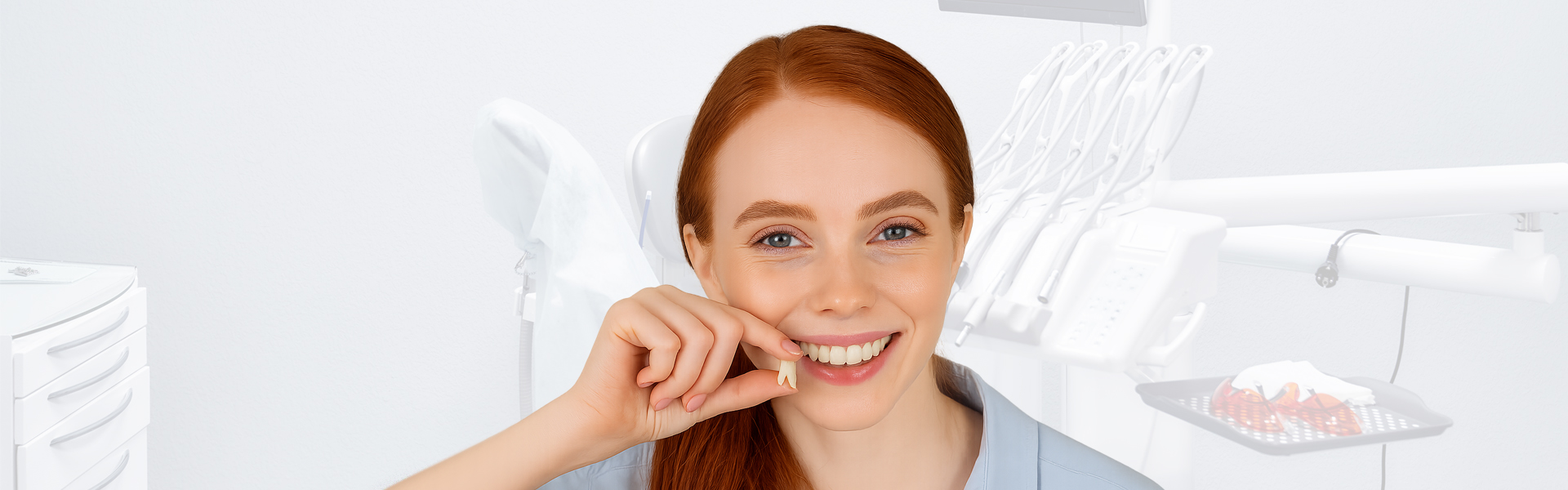
What is Sedation Dentistry, and How Does It Work in Houston, TX?

Dreading the dentist’s chair? You’re not the only one. There’s finally a calm, trusted solution. For anyone seeking sedation dentistry in Central Northwest Houston, TX, get ready to say bye to fear-filled visits and hello to stress-free care. With personalized sedation options, dental appointments can feel easier, quicker, and more comfortable—no matter the reason you walk through the door.

What is Sedation Dentistry?

Sedation dentistry utilizes medicines to help patients feel more at ease during their dental treatment. It’s not the same as being knocked out or fully unconscious. Depending on the level of sedation, you may stay awake but feel drowsy or just less aware of your surroundings. For many, that makes all the difference.

Here’s what sedation dentistry helps with:

  • Anxiety related to dental visits
  • Trouble sitting still for longer procedures
  • Low pain threshold or strong gag reflex
  • Past dental trauma that causes fear today

This approach isn’t just about comfort—it helps dentists work more efficiently, too, since patients are calmer and more cooperative.

Types of Sedation Used in Houston Dental Offices

In Houston, dental offices personalize the type of sedation based on your needs, health history, and the procedure planned. Not every option is right for everyone, and a good dentist will explain your choices before moving forward.

Common Types of Sedation:

  • Nitrous Oxide (Laughing Gas):
    • The mildest form of sedation
    • Breathed in through a mask
    • The effects wear off quickly after treatment
    • You can drive yourself home
  • Oral Sedation:
    • Given in pill form before your appointment
    • Helps reduce anxiety
    • You’ll feel groggy but remain responsive
  • IV Sedation:
    • Delivered through a vein
    • Works fast and provides deeper relaxation
    • You might not remember much of the procedure
    • Someone must drive you home
  • General Anesthesia:
    • Reserved for complex or lengthy procedures
    • You’re fully asleep
    • Only offered in specialized settings

Each method is chosen based on what makes the patient feel safe and calm.

How Sedation Dentistry Works in Houston, TX

From the moment you book your appointment, things are different. Many practices that offer sedation dentistry design the entire experience around your comfort.

Here’s what usually happens:

  1. Pre-Visit Discussion
    • The dentist asks about your health, medications, and any past dental experiences
    • You’ll talk about what level of sedation is right for you
  2. Day of the Appointment
    • If you’re taking oral meds, you’ll take them before you arrive
    • For nitrous oxide, it starts once you’re in the chair
    • IV sedation requires a needle, but it’s quick and smooth
  3. During the Procedure
    • You’re monitored the whole time
    • Your heart rate, breathing, and oxygen levels are watched closely
    • The dental team focuses on both your treatment and your comfort
  4. Aftercare
    • Recovery depends on the type of sedation
    • You might feel sleepy or forget parts of the visit
    • It’s best to take the rest of the day easy

Houston practices often go beyond just the sedation—they create an entire calming environment, from noise-canceling headphones to cozy blankets.

Who Can Benefit from Sedation Dentistry?

Sedation isn’t just for people with deep-rooted dental fears. It’s used more often than people realize and helps in a wide range of cases.

You might be a good fit if you:

  • Postpone or cancel dental visits due to stress
  • Have a powerful strong gag reflex or sensitive teeth
  • Need multiple procedures in one sitting
  • Struggle to sit still for long
  • Had bad dental experiences in the past

Even kids and seniors can benefit when sedation is managed properly. If you’ve been searching for a dentist near you who offers real comfort, this could be your answer.

Is Sedation Dentistry Safe?

Yes—when performed by trained professionals, sedation dentistry is very safe. Houston dentists follow strict protocols to make sure patients are fully evaluated and monitored. That’s especially true when medications are involved.

Here’s how safety is kept a top priority:

  • Full review of your health history
  • Pre-appointment instructions to follow
  • Continuous monitoring of vital signs
  • Post-treatment guidance to help with recovery

You should always share any medical conditions or allergies beforehand. Transparency is key for a smooth experience. If you’re looking for emergency dentistry near you and worried about the pain, some urgent care clinics even offer sedation options for unexpected procedures.

Final Thoughts

There’s no need to put off your dental care any longer. With sedation dentistry, comfort and confidence are within reach. Take control of your oral health without fear or stress. Call today to schedule your visit—your most relaxed dental experience yet is just one appointment away. Let’s make it happen.

When Is Tooth Extraction Necessary?

Maintaining good tooth health requires regular checkups and proper care, but sometimes tooth removal is necessary. Considering all options first helps preserve tooth structure. If a damaged tooth threatens surrounding areas or affects daily comfort, consultation with a dental professional can determine whether repair or removal is the best course of action.

If deep decay weakens the tooth, a small cavity can progress and cause intense pain. When enamel becomes damaged, it exposes sensitive layers to bacteria, leading to discomfort while biting. In cases of severe infection where a root canal isn’t effective, removal may be needed to protect neighboring teeth from disease.

How Dentists Determine If an Extraction Is Necessary

A thorough exam by a dentist near you helps determine if a tooth extraction is necessary by checking for fractures, decay, or infection. The decision depends on the tooth’s condition and may involve X-rays to assess the root structure. When a tooth is lost to trauma, damage can be surprising, and a crack below the gumline might require extraction to prevent further harm. While losing a tooth can be daunting, prioritizing overall health is more important than keeping a damaged tooth.

Wisdom Teeth and Impacted Molars

A common concern arises when wisdom teeth push through the gums in cramped spots. Impacted molars may press against other teeth, triggering crowding or pain. In that scenario, extractions in Central Northwest, Houston, TX, offer relief from discomfort. Addressing impacted molars early helps avoid more complicated conditions, like cysts or infections that develop around partially visible third molars. By tackling the issue when signs appear, the mouth recovers faster.

Adult teeth do not always appear at the right angle or location. Crowding might disrupt alignment, creating cleaning challenges. If braces or aligners are part of a plan, removing one or two teeth could be suggested to free up space. This technique promotes straighter smiles. Though removing a tooth to straighten others may feel odd, the outcome often supports simpler hygiene and balanced spacing.

Emergency Extractions and Urgent Care

Urgent situations like a broken tooth or cuts to the cheek require quick action to prevent further damage. Emergency dentistry near you can address pain, swelling, or injuries, including sudden tooth flare-ups that may need assessment for saving or extraction. An abscess may also necessitate immediate care; extraction may be necessary if antibiotics fail. Timely treatment is crucial to avoid worsening health issues.

What to Expect at SND Family Dental

At one point, there is a choice to visit SND Family Dental for guidance on possible removal. A supportive approach includes a gentle exam, X-rays, and time for questions. Feeling at ease allows open discussions about whether removing a tooth makes sense. The office encourages a calm environment where you can explore reasons for discomfort and learn about the next steps.

A caring team helps reduce stress around losing a tooth. Attentive staff listen to concerns, from sedation options to aftercare steps. Each situation is unique, so professionals tailor solutions to match personal needs. This might involve tips for healing, instructions on gentle rinses, or suggestions for soothing the area. Confidence can increase when each detail is explained clearly.

When Extraction Is the Right Choice

Below are circumstances that prompt a closer look at removal:

  • Severe decay that impacts tooth structure
  • Cracks or breaks below gum level
  • Impacted wisdom teeth, causing pressure
  • Excess crowding interfering with alignment
  • Repeated infections linked to the same tooth

Such signals do not always confirm extraction, but they flag the need for a deeper assessment. Before suggesting that step, the dentist weighs root health, bone support, and future stability.

Are There Alternatives to Extraction?

Removing a tooth is not the only choice. If enough strong tissue remains, other procedures can save it:

  • Fillings – Address small cavities before they expand
  • Crowns – Reinforce damaged teeth and protect them from further harm
  • Root Canals – Remove infected pulp while keeping the outer structure

An extraction may be the last resort when these efforts cannot achieve the desired outcome. Taking preventive action or seeking treatment at the earliest sign of trouble often spares a tooth.

What Happens During an Extraction?

Anxious thoughts often focus on discomfort, but modern methods minimize pain using numbing agents to block sensation around the tooth, ensuring a relaxed experience. For severe anxiety, sedation is also an option. Dentists explain each choice, allowing you to select what feels best.

During the procedure, specialized tools are used to loosen and carefully remove the tooth, checking the gums for any fragments to promote smooth healing. Stitches may be applied for quicker closure, and post-procedure instructions guide home care. Some swelling may occur, so rest and cool packs are recommended.

Recovery and Aftercare

Healing involves forming a blood clot at the extraction site. Avoid poking or cleaning it vigorously; rinse gently with saltwater and chew on the opposite side. A soft diet like soups and mashed items, is recommended, and straws should be avoided to prevent dislodging the clot. Over-the-counter pain relief can ease soreness. Follow-up visits are a must to ensure proper healing and discuss potential replacements, such as implants or bridges, to maintain a balanced smile.

Five Tips to Manage Discomfort

  1. Use a cool pack on the cheek for brief intervals.
  2. Avoid hard or crunchy foods for a few days.
  3. Stick to gentle mouth rinses instead of harsh swishing.
  4. Keep an eye out for persistent swelling or sharp pain.
  5. Take rest breaks and limit strenuous activity at first.

These steps play a key role in a calm recovery. Mouth tissue needs time to mend, so gentle care prevents setbacks.

Long-Term Considerations After Tooth Removal

After healing, gaps in smiles can be addressed with options like implants, bridges, or dentures, depending on individual needs. Consulting a dental expert is essential for finding the best choice. If the extraction was due to crowding, orthodontic treatment may follow to realign the remaining teeth. It’s important to monitor the mouth’s changes post-extraction, ensuring alignment and overall health through regular checkups.

Conclusion

Extracting a tooth can sound daunting, but in certain scenarios, it preserves well-being. Ignoring a badly damaged or infected tooth can lead to more trouble down the road. The best approach involves a thorough evaluation, honest communication, and a caring environment. When removal becomes the most apparent path, trust modern technology to minimize discomfort and promote steady healing. A healthy mouth can thrive even after a necessary extraction with consistent checkups and proper aftercare.

The Benefits of Root Canal Treatment: Why Saving Your Tooth Is Worth It

Root canal therapy is proven to save a natural tooth affected by deep decay, infection, or trauma. Many assume extraction is the only option, but preserving a tooth through a root canal keeps the structure intact and prevents further complications.

1. Why Root Canal Treatment is Necessary

When bacteria reach the inner pulp of a tooth, it causes inflammation, pain, and potential infection. The infection can spread without treatment, leading to abscesses or tooth loss.

Signs You May Need a Root Canal:

  • Severe tooth pain that worsens with pressure
  • Sensitivity to hot or cold temperatures
  • Swollen or painful gums around the impacted tooth
  • Darkening or discoloration of the tooth
  • A persistent pimple-like bump on the gums

A dentist near you can assess symptoms and determine if a root canal is the right action.

2. Benefits of Root Canal Therapy

Unlike dental extraction, root canal treatment allows patients to retain their natural teeth while eliminating infection and discomfort.

Key Advantages:

  • Tooth Preservation: Keeps the natural structure intact, avoiding the need for implants or bridges.
  • Pain Relief: Effectively treats the source of pain rather than just masking it.
  • Prevents Spread of Infection: Stops bacteria from reaching other teeth or the jawbone.
  • Restores Normal Function: Enables comfortable chewing and speaking without restrictions.
  • Aesthetically Pleasing: Maintains the tooth’s original appearance with a proper restoration.

Patients experiencing severe discomfort should seek emergency dentistry near you to address the issue before it worsens.

3. The Root Canal Process

Understanding what happens during a root canal helps reduce anxiety about the procedure.

Steps Involved:

  1. Diagnosis & X-ray: The dentist examines the affected tooth and takes an X-ray to assess the extent of damage.
  2. Local Anesthesia: The area is numbed to ensure a pain-free experience.
  3. Pulp Removal: The infected dental pulp is carefully removed, and the canal is cleaned.
  4. Shaping & Disinfection: The inner chamber is shaped and disinfected to prevent reinfection.
  5. Filling the Canal: The space is sealed with a biocompatible material.
  6. Restoration: A crown or filling reinforces the tooth’s strength.

4. Factors Affecting Root Canal Success

Several factors influence how long a root canal lasts, from pre-existing conditions to post-treatment care.

What Influences Treatment Success:

  • Early Intervention: Prompt treatment reduces the risk of complications.
  • Size of Infection: Smaller infections heal more effectively than larger abscesses.
  • Tooth Type: Molars have complex roots, requiring more precise treatment.
  • Post-Procedure Care: Proper hygiene and regular checkups extend the lifespan of a treated tooth.

With the right care, a well-executed root canal therapy in Central Northwest, Houston, TX, can last a lifetime.

5. Common Myths About Root Canals

Many misconceptions lead people to avoid root canals, but they are effective and relatively painless.

Debunking Myths:

  • “Root canals are painful.” Modern anesthesia makes the procedure virtually pain-free.
  • “Extraction is a better option.” Removing a tooth creates alignment issues and requires costly replacements.
  • “Root canals don’t last.” With a strong restoration, they provide long-term success.
  • “The procedure takes too long.” Most cases are completed in one or two visits.

Consulting a dentist near you can clarify any concerns and provide reassurance.

6. Recovery and Aftercare

Healing after a root canal is usually quick, with minimal discomfort.

Post-Treatment Care:

  • Chewing on the treated side should be avoided until the permanent repair is fitted.
  • Take prescribed medications to manage minor discomfort.
  • Maintain proper dental hygiene to avoid future infections.
  • Plan a follow-up visit to verify adequate recovery.

If swelling or pain persists, an emergency dentistry near you visit may be necessary to rule out complications.

7. Root Canal vs. Tooth Extraction

Some patients wonder whether saving a tooth is worth the effort. Comparing the two options helps in making an informed choice.

Comparison Overview:

A root canal preserves the natural tooth, preventing alignment issues, while an extraction often requires replacements like implants or bridges. Recovery from a root canal is quicker with minimal discomfort, whereas extractions may lead to longer healing and soreness. In the long run, root canals are more cost-effective, avoiding the need for additional procedures. Consulting a dentist in Houston, TX, helps determine the best option.

8. When to Seek Emergency Root Canal Treatment

Certain symptoms indicate that immediate attention is necessary to prevent further damage.

Signs That Require Urgent Care:

  • Severe and persistent tooth pain
  • Swollen gums or facial swelling
  • Pus discharge from the gums
  • A deep cavity with visible dark spots
  • Sensitivity that lasts long after eating or drinking

Delaying treatment can lead to severe infections, so an appointment with an emergency dentistry near you is essential.

Conclusion

Root canal therapy is a reliable, effective way to save a natural tooth and maintain orodental health. It eliminates infection, relieves pain, and restores function without requiring extraction. Early diagnosis and proper care ensure long-term success. At SND Family Dental, patients receive expert care tailored to their needs.

Scheduling a consultation with a trusted dentist near you is the first step toward restoring a healthy, pain-free smile.

The Benefits of Early Wisdom Teeth Removal in Central Northwest, Houston

Wisdom teeth can be troublemakers, often causing pain and crowding when they arrive uninvited. Acting early to remove them isn’t just about avoiding discomfort—it’s about protecting your future oral health. In Central Northwest, Houston, proactive care can save you from bigger problems down the road. Discover why early wisdom teeth removal is a smart step for your smile!

What Are Wisdom Teeth and Why Do They Matter?

Wisdom teeth, the third molars situated at the very back of your mouth, typically emerge between ages 17 and 25. Though some people experience no issues, these teeth can often cause complications due to crowding or improper alignment.

Common problems related to wisdom teeth include:

  • Overcrowding: They can push against other teeth, causing alignment issues.
  • Impaction: Wisdom teeth may fail to emerge fully, remaining trapped in the jaw.
  • Partial Eruptions: When only part of the tooth breaks through the gum, it leaves the area vulnerable to infection.

If left untreated, all these issues can lead to more severe dental complications. Routine dental check-ups and X-rays help identify these problems early.

Signs You May Need Wisdom Teeth Removal

Wisdom teeth don’t always cause immediate pain, so how do you know when it’s time to remove them? Here are some telltale signs:

  • Persistent discomfort or pain at the back of your jaw.
  • Red, swollen, or tender gums near your molars.
  • Difficulty opening your mouth or chewing food.
  • Bad breath or an unpleasant taste, often a result of trapped food or infection.
  • Swelling in the jaw or face, signaling deeper dental problems.

Neglecting these symptoms may result in more severe issues such as abscesses or gum disease. If you experience any of these issues, searching for a dentist near you is a great place to start for expert advice.

Why Early Removal Is Often the Best Choice

Many dentists recommend early wisdom teeth removal, even before significant problems arise. Here’s why:

  • Reduced Risk of Complications: When wisdom teeth are removed at a younger age, the roots are less developed, and the surrounding bone is softer. This minimizes the chance of nerve damage or other complications.
  • Easier Procedure: Younger patients often have shorter, less complex procedures due to incomplete root formation.
  • Faster Recovery: Healing is quicker and less painful for younger individuals compared to adults whose bones and tissues are more rigid.
  • Prevention Over Cure: Removing wisdom teeth early eliminates the risk of future issues like infections, cysts, or damage to adjacent teeth.

Early removal is a preventive measure that not only saves you from discomfort but also protects your overall oral health.

Health Risks of Delaying Wisdom Teeth Removal

Postponing the removal of wisdom teeth might appear harmless, but it can result in serious oral health issues. Some of the risks include:

  • Infections: Impacted or partially erupted teeth can create pockets where bacteria thrive, leading to painful infections.
  • Cysts or Tumors: Untreated wisdom teeth can cause cysts that damage surrounding bone, tissue, or even nerves.
  • Gum Disease: When wisdom teeth are partially erupted, it’s difficult to clean the area, increasing the risk of periodontal issues.
  • Damage to Adjacent Teeth: Wisdom teeth can push against neighboring molars, causing pain, alignment issues, or damage to the enamel.

Addressing these issues early with the help of a trusted dental professional can save you from these complications.

What to Expect During the Removal Process

The idea of wisdom teeth removal can feel overwhelming, but the procedure is straightforward and routine. Here’s what you can expect:

  1. Consultation: Your dentist will carefully check your teeth and take X-rays to reach the position of your wisdom teeth.
  2. Preparation: Depending on your case, your dentist may use local or general anesthesia to ensure comfort during the procedure.
  3. Extraction: The dentist carefully removes the wisdom teeth, often in under an hour.
  4. Aftercare: Recovery instructions typically include:
    • Resting for the first 24 hours.
    • Applying an ice pack to reduce swelling.
    • Eating soft foods and avoiding anything too hot or cold.
    • Keeping the extraction site absolutely clean with gentle rinsing.

Most patients recover within a week, with younger individuals often experiencing quicker healing times.

Choosing a Trusted Dentist in Central Northwest, Houston

When it comes to wisdom teeth elimination, selecting a trusted dental professional is crucial for a smooth experience. You need a dentist who not only has the skills to perform the procedure but also takes the time to address your concerns and ensure your comfort. Local expertise matters—finding someone who offers emergency dentistry near you can provide added peace of mind, especially if unexpected issues arise.

Look for a dental team that always prioritizes your comfort and answers all your questions. Building trust with your dentist is a must for a positive experience.

Final Thoughts

Removing wisdom teeth in Central Northwest, Houston, TX, early can save you from pain and future complications. It’s a proactive step to protect your oral health and maintain a confident smile. Don’t wait until problems arise—contact SND Family Dental to discuss your alternatives and ensure a smooth, comfortable process tailored to your needs.

What Is Dental Sedation?

Dental sedation offers a solution for patients who experience fear, anxiety, or unease during dental procedures. By using medications to help patients relax, dentists ensure that treatments are more comfortable and stress-free. Understanding the different types of sedation and when they’re used can help you feel more confident about your dental care.

What Is Dental Sedation?

Using medicine to make patients feel at ease and relaxed while receiving dental procedures is known as dental sedation. It is not the same as general anesthesia, which makes patients completely unconscious. Instead, sedation dentistry keeps you awake while feeling at ease, making it ideal for those with dental anxiety or a low pain threshold.

Types of Dental Sedation

Depending on the treatment and the needs of the patient, dentists employ varying degrees of sedation:

  1. Nitrous Oxide (Laughing Gas)
    • Administered through a mask, nitrous oxide helps patients feel calm.
    • After the treatment, you can drive home because the effects wear off rapidly.
  2. Oral Sedation
    • Taken as a pill before the appointment, this form of sedation provides moderate relaxation.
    • Patients feel drowsy but remain awake and responsive.
  3. IV Sedation
    • More profound relaxation is provided by intravenous sedation, which is administered straight into the bloodstream.
    • Suitable for longer or more complex procedures.
  4. General Anesthesia
    • Used rarely in dentistry, general anesthesia puts patients ultimately to sleep.

Your dentist will discuss these options and recommend the best one for your situation. For those seeking a dentist near them, finding one experienced in sedation dentistry ensures a smoother and more comfortable experience.

Benefits of Dental Sedation

Sedation dentistry offers several benefits that go beyond reducing anxiety:

  • Pain-Free Experience: Medication minimizes discomfort during procedures.
  • Fewer Appointments: Extensive treatments can be completed in fewer visits because sedation allows longer sessions.
  • Overcoming Fear: Patients who avoid the dentist due to fear are more likely to seek care with sedation options available.
  • Improved Oral Health: Reducing anxiety leads to more regular dental visits, preventing serious issues in the future.

Who Can Benefit from Dental Sedation?

Dental anxiety sufferers are not the only ones who benefit from sedation. Additionally, it is advantageous for:

  • Patients with a low pain threshold.
  • Individuals with sensitive teeth or gums.
  • People are undergoing lengthy or complex procedures.
  • Patients with a strong gag reflex.

Sedation can make urgent procedures less stressful if you’re dealing with a dental emergency and searching for emergency dentistry near you.

How Safe Is Dental Sedation?

When given by qualified specialists, dental sedation is safe. Dentists monitor vital signs throughout the procedure to ensure patient safety. During your consultation, share any medical conditions, allergies, or medications you take to help the dentist choose the safest option for you.

What to Expect with Dental Sedation

Knowing what happens before, during, and after sedation can help you feel more at ease:

Before the Procedure:

  • Follow any pre-sedation instructions provided, such as fasting.
  • Arrange for someone to drive you home if you’re receiving oral or IV sedation.

During the Procedure:

  • The dentist will administer sedation and monitor your comfort.
  • You’ll feel relaxed and calm, and many patients have little memory of the procedure.

After the Procedure:

  • Recovery times vary depending on the type of sedation used.
  • Until the effects subside, refrain from operating heavy machinery or driving.

Dental Sedation for Children

Children with dental anxiety or special requirements can benefit greatly from sedation. Nitrous oxide is commonly used for kids because it is safe, effective, and wears off quickly. Pediatric dentists provide extra care to ensure young patients feel comfortable and secure during their appointments.

Emergency Dentistry and Sedation

Dental emergencies like toothaches, broken teeth, or infections often require immediate treatment. Sedation makes urgent procedures manageable, even for anxious patients. For those searching for emergency dentistry near them, they should search clinics offering sedation relieve pain and fear during emergencies.

Why Choose SND Family Dental?

SND Family Dental provides expert care in sedation dentistry in Central Northwest Houston, TX, ensuring patients feel relaxed and cared for during every visit. The team prioritizes patient comfort and safety from routine checkups to emergency procedures. Personalized sedation options help create a stress-free experience, no matter the dental need.

Conclusion

Dental sedation transforms the dental experience, making treatments accessible and comfortable for everyone. Whether managing anxiety, preparing for a lengthy procedure, or addressing a dental emergency, sedation dentistry offers a safe and effective solution. For those seeking a reliable dentist near you, SND Family Dental delivers compassionate care and sedation options tailored to individual needs. Prioritize your comfort and oral health today with expert sedation dentistry services.

Top Benefits of Choosing Clear Aligners for Your Orthodontic Journey

Clear aligners have quickly become the go-to choice for patients who want straighter teeth without the inconvenience and appearance of traditional braces. With a focus on comfort, convenience, and aesthetics, aligners offer a refreshing alternative. In this guide, we’ll explore how clear aligners can transform your orthodontic journey, offering benefits that make achieving a straighter smile easier than ever.

Aesthetic Appeal

For those concerned about the look of metal braces, clear aligners in Central Northwest, Houston, TX, offer a solution that’s both subtle and effective. These aligners make it possible to straighten your teeth discreetly so you can feel confident every step of the way.

  1. Discreet Design
  • Nearly Invisible: Clear aligners are designed with a transparent plastic material, making them almost invisible to others.
  • Blends Naturally: Unlike braces that stand out, aligners blend naturally with your teeth. No need to worry about braces being the first thing people notice.
  • Perfect for Professionals: If you’re in a work environment where appearance matters, aligners allow you to straighten your teeth without drawing attention.
  1. Boost in Confidence
  • Smile Without Hesitation: You can smile freely throughout your treatment, knowing your aligners are subtle.
  • Feel Comfortable in Social Settings: Because of their discreet design, aligners help you feel at ease in both social and professional situations.
  • Improved Self-Esteem: Patients often report a confidence boost, knowing they’re working toward a better smile without obvious orthodontic gear.

Comfort and Convenience

Comfort is key with clear aligners, as they’re designed to be smooth and easy to wear, unlike braces that might cause irritation.

  1. No Metal or Wires
  • Smooth Material: Aligners are made from soft plastic, so there’s no risk of metal poking your mouth.
  • No Irritation: Metal brackets and wires can cause soreness, but aligners avoid this issue altogether.
  • Less Risk of Damage: Since they lack brackets or wires, there’s less chance of breakage, reducing emergency dental visits.
  1. Removable for Flexibility
  • Freedom to Eat What You Like: Just remove the aligners before meals, so no foods are off-limits.
  • Easier Cleaning: Take out your aligners to brush and floss like normal, which isn’t an option with traditional braces.
  • Perfect for Special Events: Going to a wedding or a job interview? You can leave your aligners out briefly for special occasions.

Customized Treatment Plans

Clear aligners offer a personalized approach, as each set is crafted based on your unique dental structure. This makes your treatment more effective and precise.

  1. Personalized to Each Patient
  • Designed Just for You: Using advanced scans, each aligner is carefully customized to fit your teeth perfectly, making the process as efficient as possible.
  • Less Room for Error: Because they’re tailored, aligners ensure that every tooth is precisely moved for the best results.
  • Comfort in Every Step: Since each aligner fits snugly, you can count on a smooth and comfortable fit throughout your treatment.
  1. Predictable Results
  • See Your Future Smile: Many clear aligners use digital imaging, allowing you to view the projected outcome of your treatment.
  • Easy Progress Tracking: With this technology, patients can see how their smiles will improve step-by-step.
  • Confidence in Your Journey: Knowing the exact path of your treatment removes any guesswork, making the journey straightforward and motivating.

Fewer Office Visits

Clear aligners make orthodontic care more accessible, as they typically require less visits to the dentist. This feature is especially helpful for those with busy schedules or anyone looking to cut down on in-office time.

  1. Reduced Need for Adjustments
  • Less Frequent Visits: Unlike braces that require frequent adjustments, clear aligners only need to be swapped out every few weeks.
  • Convenient for Busy Schedules: Ideal for patients with packed schedules, aligners reduce the need for time-consuming appointments.
  • Fewer Interruptions: You’ll spend less time going to the office and more time on the things you love.
  1. Convenient Check-ins
  • Shorter Appointment Times: Even when check-ins are necessary, they’re usually quicker and more straightforward than those for braces.
  • Remote Options Available: Some practices may even allow virtual check-ins to monitor your progress, making it even easier.
  • Save on Travel and Time: With fewer appointments, you’ll save on both travel and time commitment, making aligners a top choice for busy lifestyles.

Improved Oral Hygiene

With clear aligners, you can very easily maintain your regular oral hygiene routine, as they’re removable. Traditional braces often complicate brushing and flossing, but aligners make it easier.

  1. Easy Removal for Cleaning
  • Brush and Floss Normally: Simply take out your aligners and clean your teeth so you can keep up with your hygiene routine.
  • No Special Tools Required: Unlike braces, which often need special flossers, aligners allow you to clean your teeth as usual.
  • Better Gum Health: Good hygiene reduces the risk of gum issues, which is particularly important during orthodontic treatment.
  1. Lower Risk of Decay
  • Reduced Plaque Buildup: Since you can brush and floss more effectively, there’s less risk of plaque accumulating around your teeth.
  • Cleaner Teeth Throughout Treatment: Because you’re able to maintain better hygiene, your teeth will stay healthier and cleaner while they straighten.
  • Improved Long-Term Health: Avoiding plaque and decay during treatment helps ensure your teeth stay in excellent condition after your aligners come off.

Conclusion

Clear aligners provide a modern, convenient way to straighten teeth without any inconvenience of traditional braces. From their discreet look and custom fit to the flexibility they offer, aligners make orthodontic treatment easier, faster, and more comfortable. Patients looking for a solution that fits their lifestyle and needs find aligners to be an ideal choice.

Transform Your Smile Today with Your Trusted Houston Dentist

If you’re ready to start your journey toward a straighter, healthier smile, schedule a consultation with SND Family Dental today. Our dentist near you can help you decide if clear aligners are the right fit for your goals. Reach out to book an appointment and get started with a personalized treatment plan!

What Symptoms Might Indicate That My Wisdom Teeth Need to Be Extracted?

Wisdom teeth are the final molars to erupt, often in your late teens or early twenties. These teeth don’t always cause problems, but when they do, the symptoms can range from mild discomfort to severe pain. Understanding the signs that your wisdom teeth need to be removed is essential to avoid complications.

Here’s what you should watch for and when it might be time to call the dentist near you for an evaluation.

1. Pain and Discomfort

The most common sign that your wisdom teeth are causing problems is persistent pain. This discomfort may be felt in the area of your mouth behind your wisdom teeth. A dull discomfort that worsens when eating is how the pain is most commonly characterized. However, some people experience sharp, intense pain that feels like it radiates to the ear or jaw.

  • Sharp or Dull Pain: Some days, the pain may feel like a mild annoyance, while other times, it might spike without warning.
  • Difficulty Chewing: You may also find it difficult to chew on one side of your mouth because of the discomfort.

If this sounds familiar, you should consider getting your wisdom teeth in Central Northwest, Houston, TX, evaluated before the pain worsens.

2. Swelling and Redness

Along with pain, swollen or red gums are a sign that your wisdom teeth might need attention. This happens because the teeth are trying to break through the gums, causing inflammation. You might notice:

  • Swollen Gums: The area around the wisdom teeth can appear puffy, particularly after eating or brushing.
  • Redness: The gums may look darker than usual, indicating irritation.
  • Tenderness: Touching the area could make it feel sore or inflamed.

Swelling can make your whole mouth feel uncomfortable. Redness and irritation don’t just go away on their own. These symptoms should be checked by a Houston dentist to prevent further complications.

3. Jaw Stiffness and Difficulty Opening Your Mouth

Have you ever tried to open your mouth wide, only to find it feels stiff or painful? This is another sign your wisdom teeth could be causing issues. Jaw stiffness happens because the wisdom teeth press against the surrounding bone or nerves.

  • Limited Movement: You might notice that it’s harder to open your mouth fully. Eating or even speaking can feel more challenging.
  • Lockjaw: In more severe cases, your jaw could feel like it’s locking up temporarily.

Ignoring this symptom can lead to long-term jaw issues. If you’re feeling this type of discomfort, it’s important to see your dentist as soon as possible.

4. Bad Breath

Do you feel a bad taste in your mouth or unpleasant breath that won’t go away, no matter how much you brush? This can happen because impacted wisdom teeth create pockets where food gets trapped, and bacteria thrive.

  • Persistent Bad Breath: Even after proper brushing and flossing, the smell remains.
  • Unpleasant Taste: You might also experience a constant bad taste in your mouth that’s difficult to ignore.

Wisdom teeth may serve as a reservoir for dental germs, resulting in persistent halitosis. If this is happening to you, it’s time to consider wisdom tooth removal before the problem worsens.

5. Cysts or Tumors

Though rare, cysts or tumors can form around impacted wisdom teeth. These occur when a sac forms around the wisdom tooth, which can become filled with fluid or grow into something more serious, like a tumor.

  • Cyst Formation: If left untreated, cysts can damage the surrounding bone or even your teeth.
  • Tumors: In rare cases, tumors may develop, which could require surgical intervention.

This may sound alarming, but catching the issue early can prevent severe complications. A routine dental check-up can help identify cysts early on, ensuring timely treatment.

6. Damage to Adjacent Teeth

When your wisdom teeth come in at an angle or don’t have enough space, they can push against the nearby teeth. This can cause damage to your adjacent molars, leading to:

  • Tooth Crowding: As the wisdom teeth push through, they can force your other teeth to shift, leading to misalignment.
  • Pressure on Molars: The added pressure on your other teeth can make them more prone to decay or cracks.

If you notice your teeth shifting or feel pressure in your molars, it’s crucial to act quickly. Don’t let your wisdom teeth affect the health of your other teeth.

7. Infection

Due to their position in the posterior of the oral cavity, wisdom teeth are more challenging to maintain in terms of hygiene. This makes them more vulnerable to infections. When bacteria build up in these hard-to-reach areas, infections can develop.

  • Fever: If your wisdom teeth are infected, you might experience a fever or feel unwell.
  • Swelling and Pus: Infections can lead to swelling, and in some cases, pus might appear near the gums.
  • Pain: The pain from an infection can be severe, sometimes even throbbing.

Ignoring an infection can lead to bigger issues, like abscesses or the spread of the infection to other parts of your body. If you experience these symptoms, contact your dentist right away.

Conclusion

Wisdom teeth don’t always cause problems, but when they do, the symptoms can be hard to ignore. Persistent pain, swelling, jaw stiffness, bad breath, or more severe issues like cysts are clear indicators that it’s time to take action. Paying attention to these signs early can save you a lot of pain and discomfort down the road. Remember, complications from wisdom teeth can escalate quickly if left untreated.

Is It Time to Get Your Wisdom Teeth Checked?

If you’re experiencing any of these symptoms, don’t wait! Call SND Family Dental today and book an appointment for a professional evaluation. It’s important to address these signs early to prevent further issues. Our team is here to help you with all your dental needs, so schedule a visit with us and take the first step toward relief!

How to Prevent the Need for Root Canal Therapy

No one looks forward to root canal therapy, but what if you could avoid it altogether? With the proper care and attention, keeping your teeth healthy and strong is easier than you think. In this guide, we’ll show you how simple habits and regular dental checkups can greatly help avoid the need to have root canal treatment and keep your smile safe.

  1. Maintaining Proper Oral Hygiene

Optimal oral hygiene is necessary to maintain healthy teeth. You are neglecting basic care routines like brushing and flossing, which leads to plaque buildup, cavities, and, over time, infections that can penetrate deep into the tooth.

  • The Importance of Brushing and Flossing
  • Brushing and flossing daily are two simple habits that make a huge difference in preventing tooth decay. Plaque—a sticky film of bacteria—builds up on teeth daily. If not removed, it hardens into tartar, leading to cavities. Brushing and flossing help control plaque buildup and prevent it from causing more significant problems.
  • How Regular Cleanings Help Prevent Tooth Decay and Infections
  • Even with regular brushing and flossing twice daily, it’s easy to miss hard-to-reach areas, where professional cleanings come in. Scheduling cleanings with your Houston dentist every six months ensures plaque and tartar are removed before they cause serious issues. Cleaning also allows your dentist to catch early signs of damage and check them before they worsen, helping you avoid root canal therapy in the future.
  1. Addressing Cavities Early

Cavities are one of the most common dental problems. Brushing and flossing help control plaque buildup, which requires root canal therapy. Recognizing and treating cavities early is essential to preventing the need for more invasive procedures.

  • Why Treating Cavities Promptly is Key to Avoiding Serious Infections
  • When caught early, cavities can often be treated with a simple filling. However, if a cavity goes unnoticed or untreated, the decay spreads deeper into the tooth. Once the decay reaches the inner pulp, the only way to save the tooth may be through root canal therapy. By addressing cavities early, you protect your teeth from more severe damage.
  • How to Spot the Early Signs of Tooth Decay
  • The sooner you recognize the signs of a cavity, the better. Early signs often include sensitivity to hot or cold foods, noticeable holes or pits in the tooth, or discomfort when biting down. If you notice any of these symptoms, you must visit a dentist near me to get a diagnosis and treatment plan before the decay worsens.
  1. Protecting Teeth from Injury

Sometimes, the need for root canal therapy isn’t caused by decay but by trauma to the tooth. Accidents or injuries that cause cracks or fractures can expose the tooth’s inner layers, leading to infection if left untreated. Thankfully, you can take steps to save your teeth from injury.

  • Wearing Mouthguards During Sports and Other Activities
  • If you join any contact sports or activities involving a facial impact risk, using a mouthguard is the best way to protect your teeth. A custom-made mouthguard from your Houston dentist can provide the necessary protection to prevent cracked or broken teeth during high-risk activities.
  • Preventing Cracks or Fractures That Can Lead to Infections
  • In addition to sports, everyday activities can also put your teeth at risk. Avoid biting into complex objects like ice, hard candy, or popcorn kernels, as this can lead to cracks or fractures. If a tooth is cracked, bacteria can enter the tooth and reach the pulp, eventually requiring root canal therapy to remove the infection.
  1. Regular Dental Checkups

Routine dental checkups play a significant role in preventing the need for root canal therapy. Even if you don’t notice any signs of decay or damage, regular exams allow your dentist to monitor your oral health closely.

  • The Role of Routine Exams in Catching Issues Before They Worsen
  • Dental checkups aren’t just about cleaning your teeth; they also allow your dentist to identify potential problems before they escalate. For example, small cavities you might not notice can be detected during an exam and treated before they worsen. Routine exams help maintain healthy teeth and lower the chances of needing root canal therapy.
  • How Dental Checkups Contribute to Overall Tooth Health
  • Besides spotting cavities, your dentist can assess other areas of your oral health, such as your gums, bite alignment, and existing dental work conditions. Regular visits to your Houston dentist allow for early detection of any issues, reducing the chance of infections that could result in a root canal down the line.
  1. Dealing with Tooth Sensitivity

Tooth sensitivity is often an early indicator that something isn’t right with your tooth. Ignoring sensitivity can allow underlying problems to worsen, which might eventually require root canal therapy. Recognizing and addressing sensitivity early can save your tooth from extensive damage.

  • What Sensitivity Could Mean for Your Tooth’s Health
  • Sensitivity to hot, cold, or sweet foods can indicate enamel wear, gum recession, or a developing cavity. In some cases, it may also suggest that the nerve inside the tooth is becoming inflamed, which could lead to infection. If you experience sensitivity, see your Houston dentist to identify the cause and address it quickly
  • Why Early Intervention is Crucial When Experiencing Tooth Pain
  • Pain or sensitivity should never be ignored. The quicker you start the treatment, the better your chances of avoiding complications. By addressing sensitivity and other symptoms early, you can prevent the infection from reaching the tooth pulp and reduce the likelihood of needing root canal therapy.

Conclusion

Preventing the need for root canal therapy doesn’t have to be complicated. Proper oral hygiene, regular checkups, and preventive measures can protect your teeth from damage and injury. By staying proactive, you reduce the chances of requiring invasive dental treatments like root canal therapy. If you’re concerned about your tooth health or are experiencing any symptoms, now is the time to take action.

Are you concerned about your tooth health? Schedule an appointment with SND Family Dental today and protect your smile with the best care for root canal therapy in Central Northwest, Houston, TX. We’re here to help you maintain a healthy, strong smile for years!

Top 5 Benefits of Dental Sealants

Maintaining optimal dental health goes beyond a dazzling smile; it’s about preventing issues before they start. Regular dental visits and daily care are crucial, but additional measures like dental sealants provide proactive protection against cavities. This blog explores the importance of dental health and the role of preventive care and dives into dental sealants as an effective solution offered by SND Family Dental in Central Northwest, Houston, TX. Discover how this simple procedure can safeguard your smile and promote long-term oral health without invasive treatments later.

What are Dental Sealants?

Dental sealants are thin, protective coatings applied or put to the chewing surfaces of molars and premolars. They are designed to fill in the deep grooves and pits of teeth, areas where food particles and bacteria often accumulate. By creating a smooth surface over these vulnerable areas, sealants act as a barrier, preventing plaque buildup and reducing the risk of cavities. This preventive measure is especially effective for children and teenagers, helping to protect their developing teeth from decay.

How Dental Sealants Work?

These sealants work by creating a protective shield or barrier on the chewing surfaces of molars and premolars. Once applied, they fill in the deep pits and grooves of teeth, which are difficult to clean with regular brushing alone. This smooth surface prevents food particles and bacteria from settling into these areas, reducing the risk of cavities. Sealants do not alter the natural appearance or function of the teeth but enhance their resistance to decay. This simple yet effective preventive measure is painless and quick, offering long-lasting benefits for maintaining oral health.

Dental Sealants: Key Benefits

  • Effective Protection Against Cavities

Dental sealants provide a robust defense against cavities, especially for children and teenagers whose back teeth are more prone to decay. These thin, protective coatings are employed on the chewing surfaces of molars, which often have deep grooves and pits that trap food remnants and bacteria. By sealing these areas, sealants effectively prevent plaque buildup and significantly reduce the risk of cavities. Research indicates that children with sealants are up to 80% less likely to develop cavities in molars compared to those without them, making sealants an essential component of preventive dental care.

  • Cost-Effective Preventive Measure

Investing in dental sealants is a financially savvy strategy for maintaining oral health. The upfront cost of applying sealants is significantly lower than the expenses linked with treating cavities, such as fillings, crowns, or even more complex procedures like root canals. By preventing decay early on, sealants save families money on future dental treatments and minimize the time and discomfort associated with restorative procedures. This cost-effectiveness makes sealants an attractive option for parents looking to preserve their children’s dental health without breaking the bank.

  • Quick and Painless Application

The application process for dental sealants in Central Northwest, Houston, TX, is quick and straightforward, typically taking only a few minutes per tooth. The dentist first cleans and dries the tooth surface during the procedure, ensuring proper adhesion. A special gel may be applied to enhance the bond, and then the sealant material is put or applied to the grooves. The entire process is non-invasive, requiring no drilling or anesthesia, making it a painless experience for patients, especially children. This ease of application encourages regular preventive care visits and promotes positive attitudes toward dental health.

  • Promotes Overall Oral Health

Dental sealants contribute significantly to oral health by preventing cavities, which helps maintain the integrity of teeth. Healthy teeth are important for effective chewing and digestion, enabling individuals to enjoy a varied and nutritious diet. Furthermore, preventing dental decay reduces the chances of gum disease and various oral health issues, that can have broader implications for overall health. By decreasing the likelihood of future dental problems, sealants support long-term wellness and can lead to fewer emergency dental visits and less stress for patients and parents.

  • Safe and Proven Solution

Dental sealants are recognized as a safe and effective preventive treatment in dentistry. They have been used for decades and are made from non-toxic materials that have undergone extensive testing. Dental professionals widely endorse sealants due to their reliability in preventing cavities and their minimal risk of adverse effects. This established track record gives patients peace of mind, knowing they are choosing a solution that has been proven to protect dental health without compromising safety.

Who Can Benefit from Dental Sealants?

Dental sealants are particularly beneficial for several groups, such as:

  • Children and Teenagers: Sealants are most effective when applied soon after permanent molars and premolars emerge or erupt, usually between the ages of 6 and 14. Children and teenagers are prone to cavities due to developing oral hygiene habits and the deep grooves in their newly erupted teeth.
  • Adults with Deep Tooth Grooves: Adults who have deep pits and fissures in their molars can benefit from sealants. These areas are difficult to clean entirely with regular brushing, making them more susceptible to decay over time.
  • Patients with High Cavity Risk: Individuals with a history of cavities or at a higher risk of developing them, such as those with dry mouth conditions or poor dietary habits, can benefit significantly from sealants. Sealants offer an added layer of protection or security against cavity-causing bacteria.
  • Orthodontic Patients: Patients going through orthodontic treatment with braces or other appliances may find it challenging to clean around brackets and wires. Sealants can help protect their teeth from decay during and after orthodontic treatment.

Maintaining Sealants: Care Tips and When to Replace Them

Dental sealants are an efficient way to shield teeth from cavities, but proper care is essential to maximize their longevity. Here are some tips for maintaining sealants and guidance on when to consider replacing them:

Care Tips for Maintaining Sealants

  • Regular Dental Check-ups: Book regular dental visits for professional cleanings and examinations. Your dentist can check the state of your sealants and recommend any necessary actions.
  • Practice Good Oral Hygiene: Maintain a routine of brushing (2 times) with fluoride toothpaste and flossing (1 time) every day. This helps keep the entire mouth clean and supports the longevity of sealants.
  • Avoid Chewing on Hard Objects: Abstain from biting down on hard foods or objects, including ice cubes or pens, that could chip or damage the sealants.
  • Stay Hydrated: Staying hydrated helps maintain saliva production, which is essential for neutralizing acids and washing away food particles, thereby supporting overall oral health.

When to Replace Sealants?

  • Signs of Wear or Damage: If you see cracks, chips, or any loss of sealant material, it’s important to consult the dentist near you for a replacement.
  • Loss of Adhesion: If a sealant has started to come off or appears loose, it should be replaced to maintain its protective benefits.
  • Age of Sealants: Sealants typically last several years, but their lifespan can vary. If it’s been a long time since application (usually over 5-10 years), have your dentist evaluate them for possible replacement.

Conclusion

In conclusion, dental sealants offer a proactive approach to maintaining oral health by effectively preventing cavities and decay. This simple and painless procedure, available at SND Family Dental in Central Northwest, Houston, TX, provides lasting protection for vulnerable teeth and is particularly beneficial for children and teenagers. By investing in sealants, you not only safeguard your dental health but also save on potential future costs associated with dental treatments. Take the first step towards a healthier smile—consult your Houston dentist today to learn more about the advantages of dental sealants and prioritize preventive care for long-term oral well-being.

5 Common Questions About Dental Sealants Answered

In modern dentistry, preventive care is a cornerstone for maintaining optimal oral health. Dental sealants, a key component of preventive dental treatments, play a crucial role in safeguarding teeth from decay. By creating a protective shield over susceptible areas, sealants help prevent cavities before they start. This blog explores the essentials of dental sealants, including their purpose, application process, longevity, insurance coverage, and tips for finding reputable sealant services in Central Northwest Houston, TX. Understanding these aspects empowers individuals to make well-informed decisions about their dental care.

What Are Dental Sealants?

These are thin, plastic coatings put across the chewing or munching surfaces of the back teeth (molars and premolars). They serve as a protective barrier, protecting these susceptible or vulnerable areas from bacteria and food particles that can cause cavities. Sealants are primarily applied to the pits and grooves of teeth, where brushing and flossing may not reach.

Who Can Benefit from Dental Sealants?

Dental sealants offer substantial benefits to various individuals, particularly those prone to cavities and seeking preventive dental care:

  • Children and Teenagers: Children and teenagers often have newly erupted permanent teeth with deep pits and fissures. Sealants offer additional protection to these vulnerable areas, lowering the risk of cavities during their formative years. They are especially beneficial for young patients struggling with maintaining thorough oral hygiene.
  • Adults with Deep Grooves: Adults with deep grooves and pits in their molars and premolars can also benefit from sealants. It becomes difficult to keep up the cleanliness of these areas with regular brushing and flossing alone, making them susceptible to decay. Sealants help maintain oral health by preventing food particles and bacteria from accumulating in these hard-to-reach areas.
  • Individuals Prone to Cavities: Anyone with a history of cavities or dental work, such as fillings or crowns, can benefit from sealants. By providing an additional protective barrier, sealants reduce the likelihood of developing new cavities or needing further restorative treatments.
  • Patients Seeking Preventive Care: Sealants are integral to preventive dental care, offering proactive protection against tooth decay. They complement regular brushing, flossing, and dental check-ups to maintain optimal oral health.
  • Patients with Special Needs: Individuals with special needs who may have difficulty maintaining oral hygiene can benefit significantly from sealants. These protective coatings help mitigate the risk of cavities and promote oral health stability.

How Are Dental Sealants Applied?

Putting or applying dental sealants is a straightforward and painless process, typically completed in a dentist office near you by a dentist or dental hygienist. Here’s  how dental sealants are applied:

  • Preparation: The tooth surface receiving the sealant is thoroughly cleaned and dried to make sure of optimal bonding.
  • Application: A conditioning solution may be applied to the chewing surface of the tooth to help the sealant adhere better.
  • Placement: The sealant material, which is a thin, flowable resin, is carefully painted onto the pits and fissures of the tooth.
  • Curing: A special curing light is utilized to harden the sealant quickly. This process transforms the liquid sealant into a durable plastic coating that adheres tightly to the tooth surface.
  • Evaluation: The dentist or dental hygienist checks the sealant to ensure it covers all necessary areas and has hardened completely.

How Long Do Dental Sealants Last?

Dental sealants are efficient in preventing tooth decay, but their longevity can vary based on several factors:

  • Quality of Application: Properly applied sealants can last longer. A skilled dentist ensures thorough cleaning and drying of the tooth surface before application, which enhances the sealant’s durability.
  • Material Used: The type and quality of the sealant material influence its longevity. Resin-based sealants tend to be more durable than other types.
  • Oral Hygiene: Good oral hygiene practices, like brushing with fluoride toothpaste and regular flossing, contribute to the longevity of sealants by maintaining their protective effectiveness.
  • Chewing Habits: Individuals who grind their teeth or chew on complex objects may experience faster wear and tear of sealants, reducing their lifespan.

On average, dental sealants can last between 5 to 10 years. However, regular dental check-ups are pivotal to monitoring the condition of sealants and determining if they need to be repaired or replaced.

Does Dental Insurance cover Dental Sealants?

Dental sealants are generally covered by many dental insurance plans, especially for children and teenagers. Insurance coverage for sealants varies depending on the specific dental plan and provider. Here are some key considerations regarding insurance coverage for dental sealants:

  • Coverage for Children: Many dental insurance plans recognize the preventive benefits of sealants for children and teenagers. As such, sealants are often fully covered or may have minimal out-of-pocket costs for younger patients.
  • Coverage for Adults: Insurance coverage for sealants in adults may vary. Some plans may cover sealants for adults, particularly in cases with a history of cavities or deep grooves in the teeth that pose a higher risk of decay.
  • Preventive Care Coverage: Sealants are considered a preventive dental treatment. Most dental insurance plans prioritize preventive care to reduce long-term dental costs associated with cavities and more extensive dental work.
  • Out-of-Pocket Costs: If sealants are not fully covered by insurance, the out-of-pocket costs are usually affordable in comparison to the expense of treating cavities and other dental ailments. You should verify with your dental insurance provider to understand the details of sealant coverage under your plan.
  • Insurance Verification: Verifying coverage with your dental insurance provider is beneficial before scheduling a dental sealant procedure. This ensures clarity on coverage details, potential copayments, and any requirements for preauthorization.

Finding Quality Dental Sealants in Central Northwest Houston, TX

When searching for a reputable dental practice offering dental sealants in Central Northwest Houston, TX, consider the following:

  • Check Qualifications: Ensure that the dentists and dental hygienists at the practice have the necessary qualifications and experience in applying dental sealants. They should know the latest techniques and materials used for sealant application.
  • Ask for Recommendations: Get recommendations from family, friends, or colleagues who might have good things to say about dental sealants in the area. Personal referrals can provide proper and valuable insights into the quality of care different dental practices offer.
  • Schedule Consultations: Consider scheduling consultations with potential dental providers to discuss their approach to preventive dental care and the specifics of dental sealant application. Use this opportunity to ask questions about their experience, the materials they use, and their success rate with sealants.
  • Review Services Offered: Look for a dental practice that offers comprehensive preventive care services, including sealants. A practice that emphasizes preventive dentistry demonstrates a commitment to helping patients maintain long-term oral health.
  • Visit the Office: Take a virtual or in-person tour of the dental office to assess its cleanliness, organization, and technology used. A modern and well-equipped dental practice often indicates a commitment to high-quality dental care.

Conclusion

In conclusion, dental sealants represent a proactive approach to oral health, offering significant benefits in cavity prevention for patients of all ages. Individuals can prioritize preventive dental care by understanding their application process, longevity, and potential insurance coverage. Choosing a reputable dental provider ensures quality sealant services tailored to maintain a healthy smile. Schedule your dental sealant consultation today at SND Family Dental, your trusted Central Northwest Houston dental clinic. Protect your smile with our expert sealant services and prioritize your long-term oral health.

Book Now
Click to listen highlighted text!